



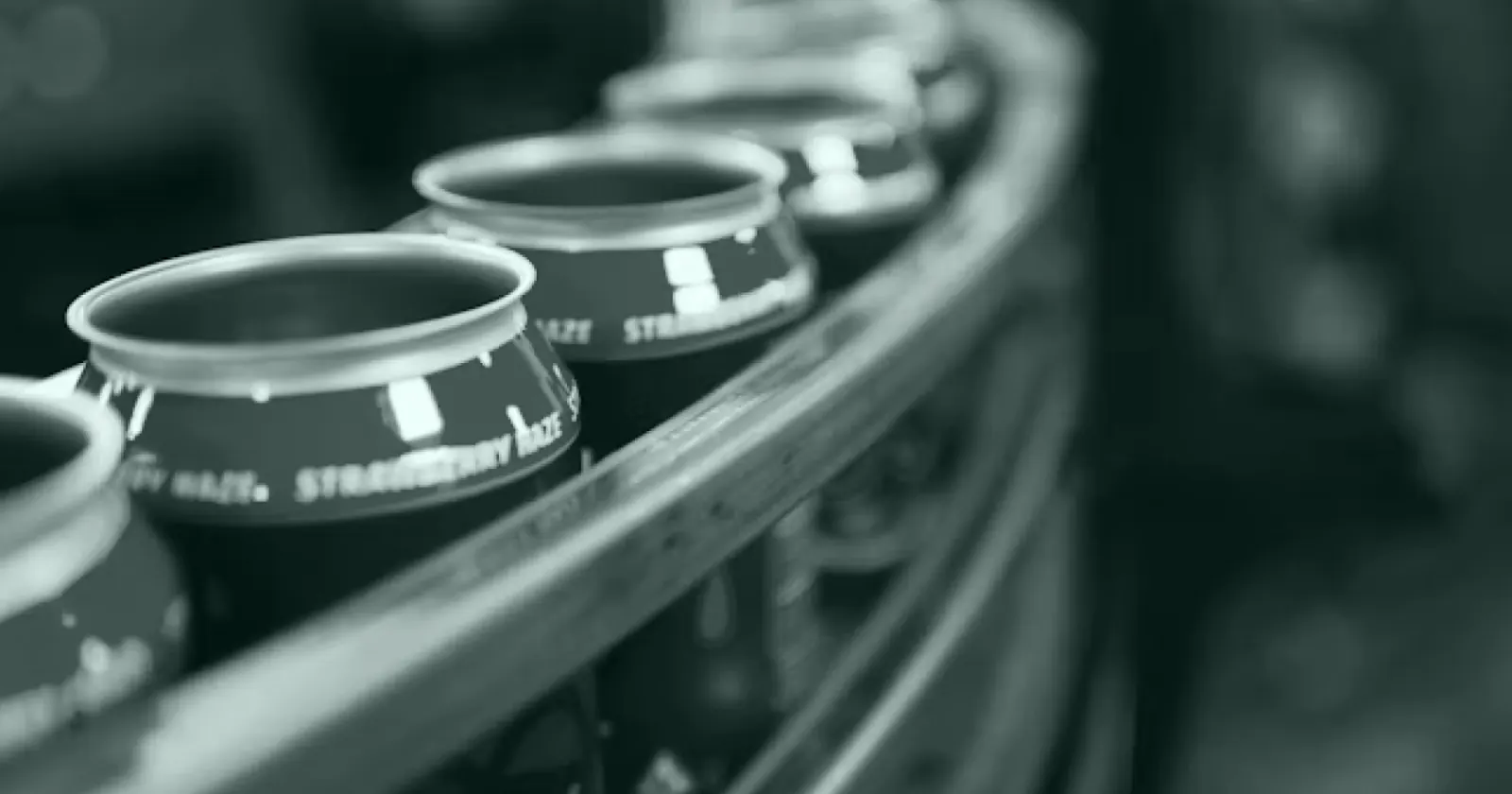
Collection networks and scale
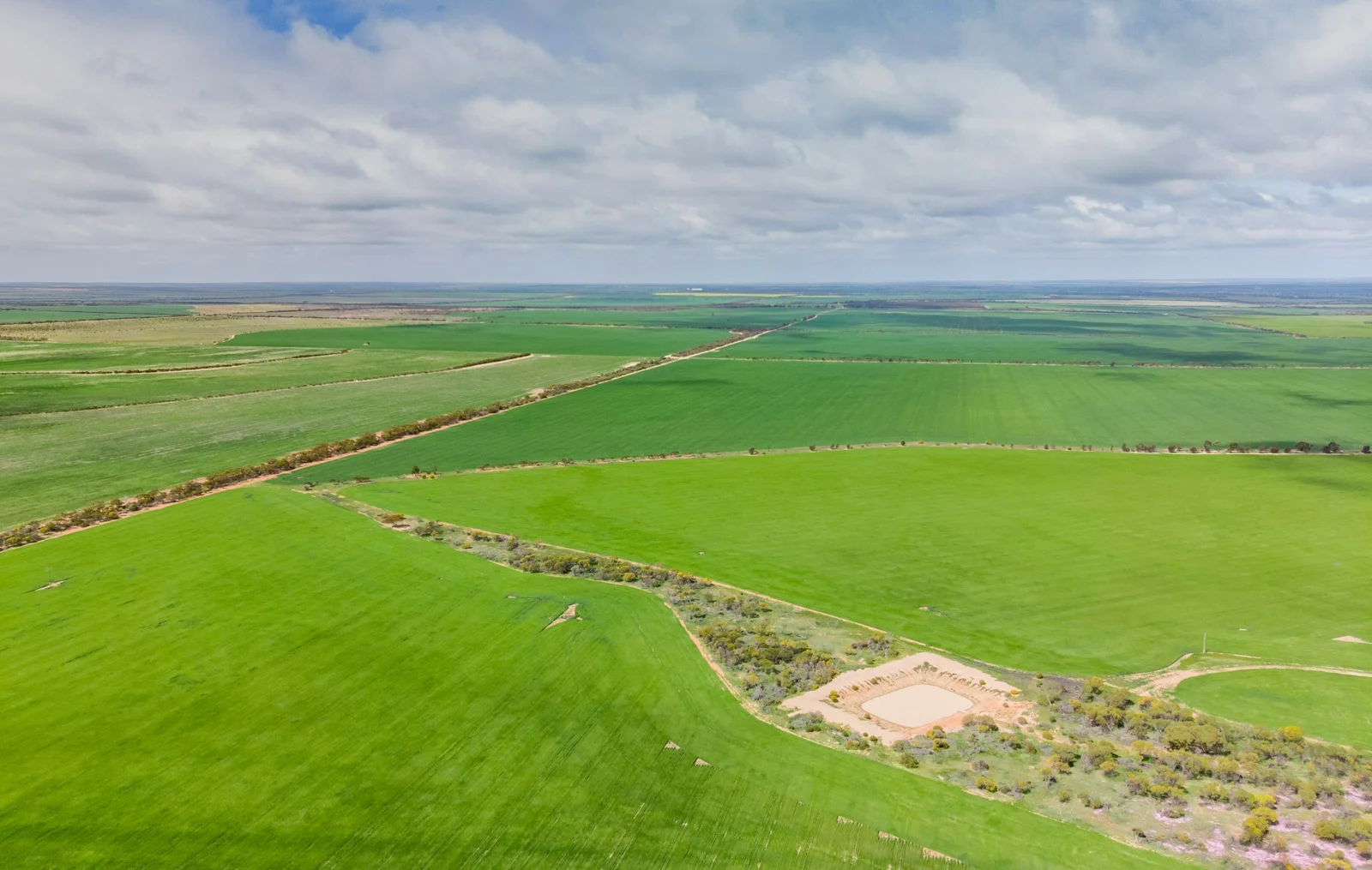
Established routes and customer relationships improve the economics of an existing network through route density and fleet utilisation, and support expansion into new regions.

Sector insights. A buyer lens. A clear understanding of what drives value.
M&A and capital advice for owners, shareholders and acquirers
G&G advises owners and shareholders of Australian waste and environmental services businesses considering a sale or capital raise, as well as acquirers seeking opportunities across the sector.
Our focus spans collection and transfer, recycling and resource recovery, organics, liquid and hazardous waste, industrial cleaning, remediation, decommissioning and specialist treatment, including PFAS and contaminated materials.
START A CONFIDENTIAL CONVERSATION
The market today
Essential demand, long-term contracts and scarce licensed assets are attracting infrastructure capital into Australian waste and environmental services.
Regulation is driving growth in recycling, organics, remediation and PFAS treatment, while limited approvals strengthen the value of established facilities. A fragmented base of founder-owned businesses creates opportunities for consolidation and succession-led transactions.
Contracts, approvals and infrastructure underpin the valuation. Fleet alone rarely tells the full story.
Buyers value waste and environmental services businesses on maintainable EBITDA, with close attention to the quality of contracts, the condition and replacement cost of fleet and plant, the transferability of licences and any potential environmental liabilities. Given the sector is capital intensive, EBITDA less maintenance capital expenditure is often a better guide to valuae than headline EBITDA alone.
| Sub-segment | Indicative EV/EBITDA | Primary pricing lens and key swing factors |
|---|---|---|
| Integrated platforms with landfill or processing infrastructure | 10–14x+ | Airspace, licences, contract duration and scale. Infrastructure capital sets the benchmark |
| Municipal and council-contracted collection | 5–8x (SME) 7–10x (scaled) | Contract tenure, renewal history, rise-and-fall clauses and fleet age |
| Commercial, C&I and C&D collection, skip bins | 3.5–6x | Route density, customer retention and exposure to construction cycles |
| Recycling and resource recovery | 4–6x | Feedstock security, offtake agreements and commodity price exposure |
| Organics processing | 5–8x | Permitted capacity, council feedstock contracts and product markets |
| Liquid and hazardous waste (licensed) | 5–8x (SME) 7–10x (scaled) | Scarcity and transferability of EPA licences, compliance history, treatment capability |
| Industrial services, remediation and decommissioning | 5–8x | Contracted versus project revenue, technical capability (e.g. PFAS) and safety record |
Indicative ranges for Australian private-market transactions, based on G&G's assessment of disclosed transactions, listed comparables and market evidence. Actual outcomes depend on size, earnings quality, contract and licence position, liabilities and buyer competition. Smaller owner-operated businesses generally sit at the lower end of each range.
What is driving waste & environmental acquisition interest
Established routes and customer relationships improve the economics of an existing network through route density and fleet utilisation, and support expansion into new regions.
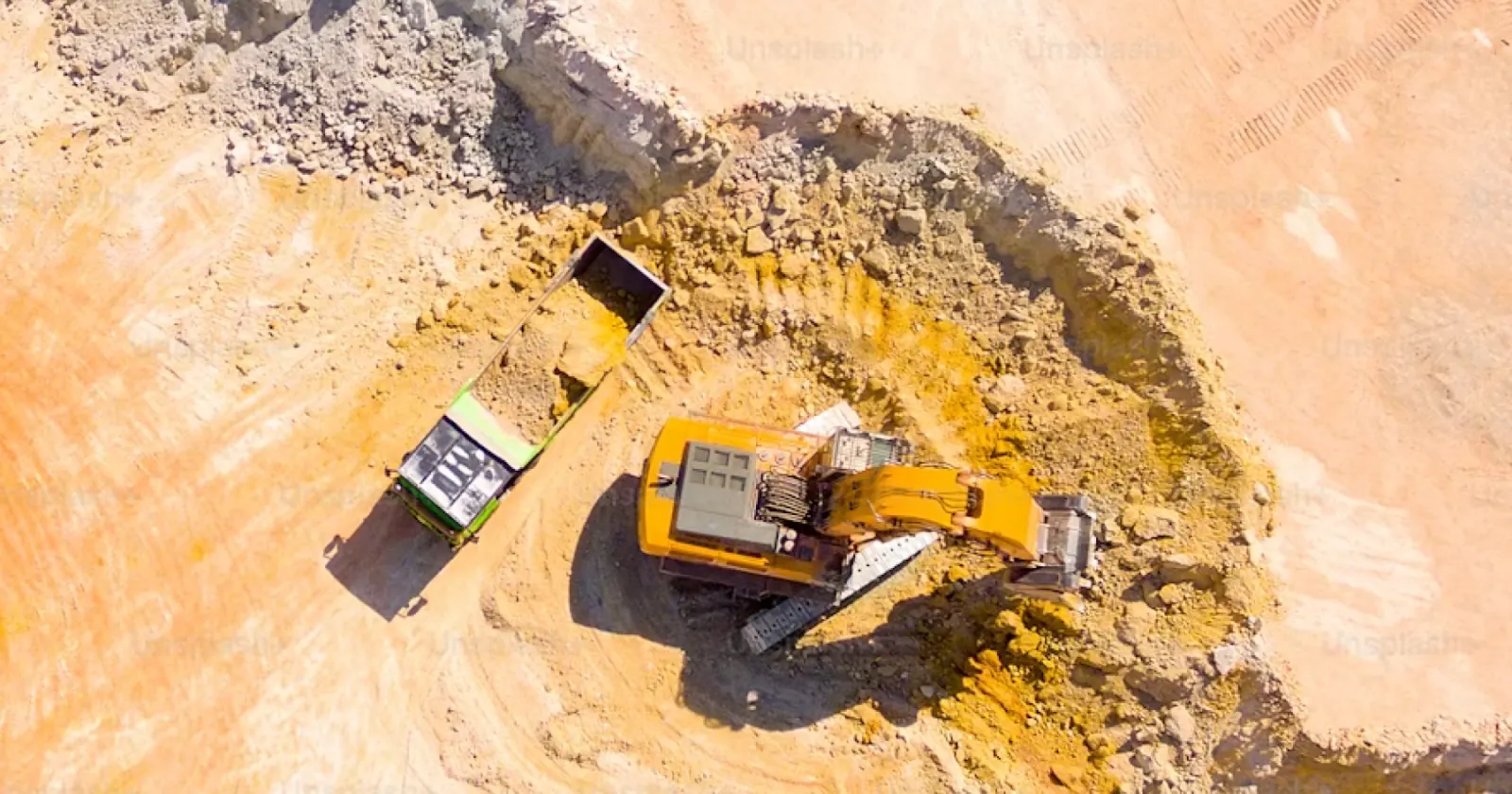
Well-located sites, secure tenure and permitted processing capacity give buyers access to infrastructure that is difficult and slow to develop organically. As metropolitan landfill capacity tightens, transfer, recovery and disposal sites gain strategic value.
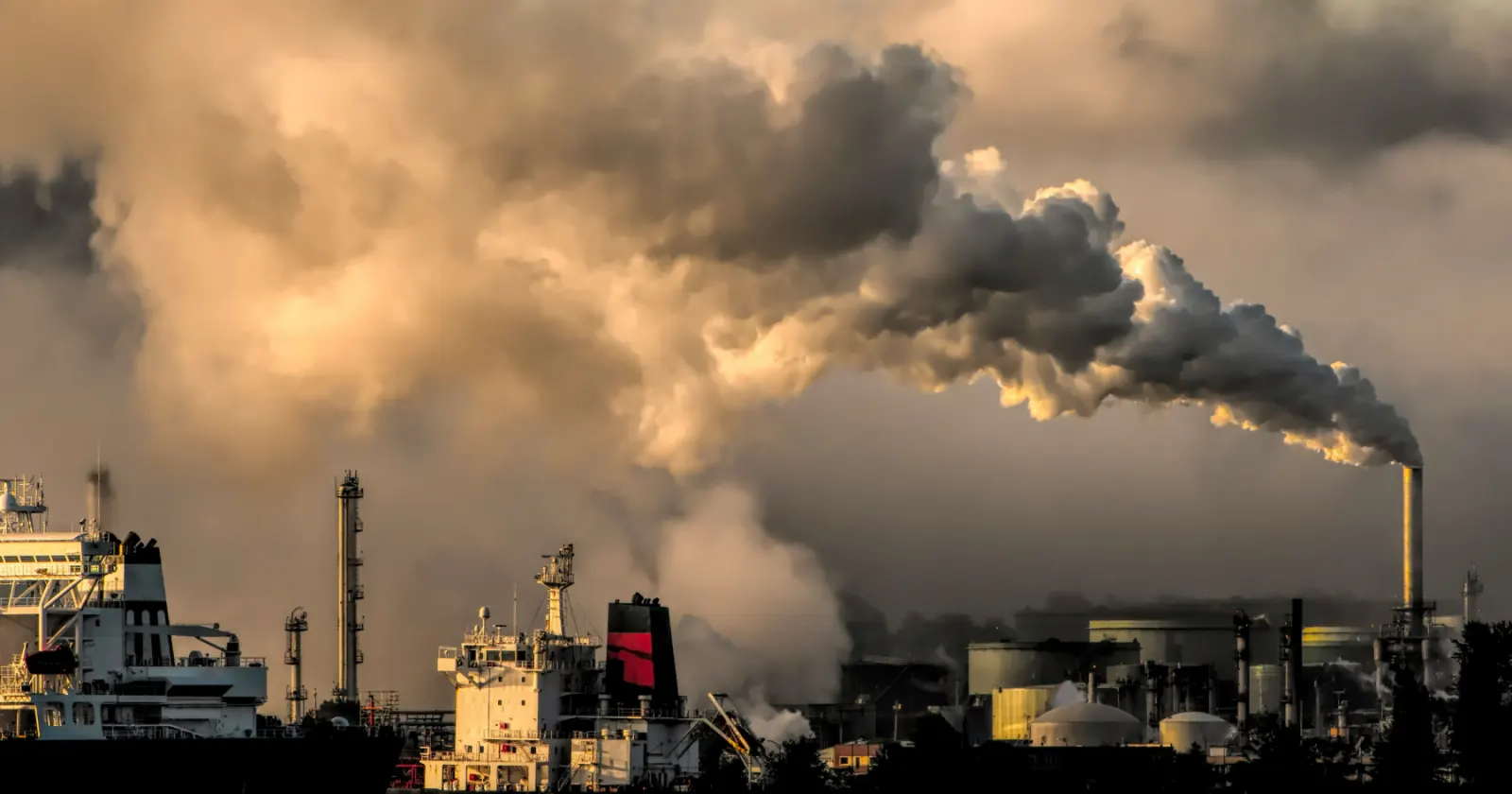
Landfill levies, state organics mandates such as the NSW FOGO rollout, national resource recovery targets and packaging reform are shifting volumes from disposal to recovery and treatment. Operators with the capacity to receive and process those volumes are the main beneficiaries.
Recycling and recovery connect collection with processing and end markets. Feedstock security and offtake arrangements determine commercial value, and buyers will discount earnings that depend on volatile commodity prices.
Technical expertise in hazardous waste, PFAS, contaminated land and decommissioning creates barriers to entry and is the most actively sought capability among strategic acquirers. Tighter PFAS guidelines and long-term decommissioning obligations in resources and energy underpin multi-year demand.
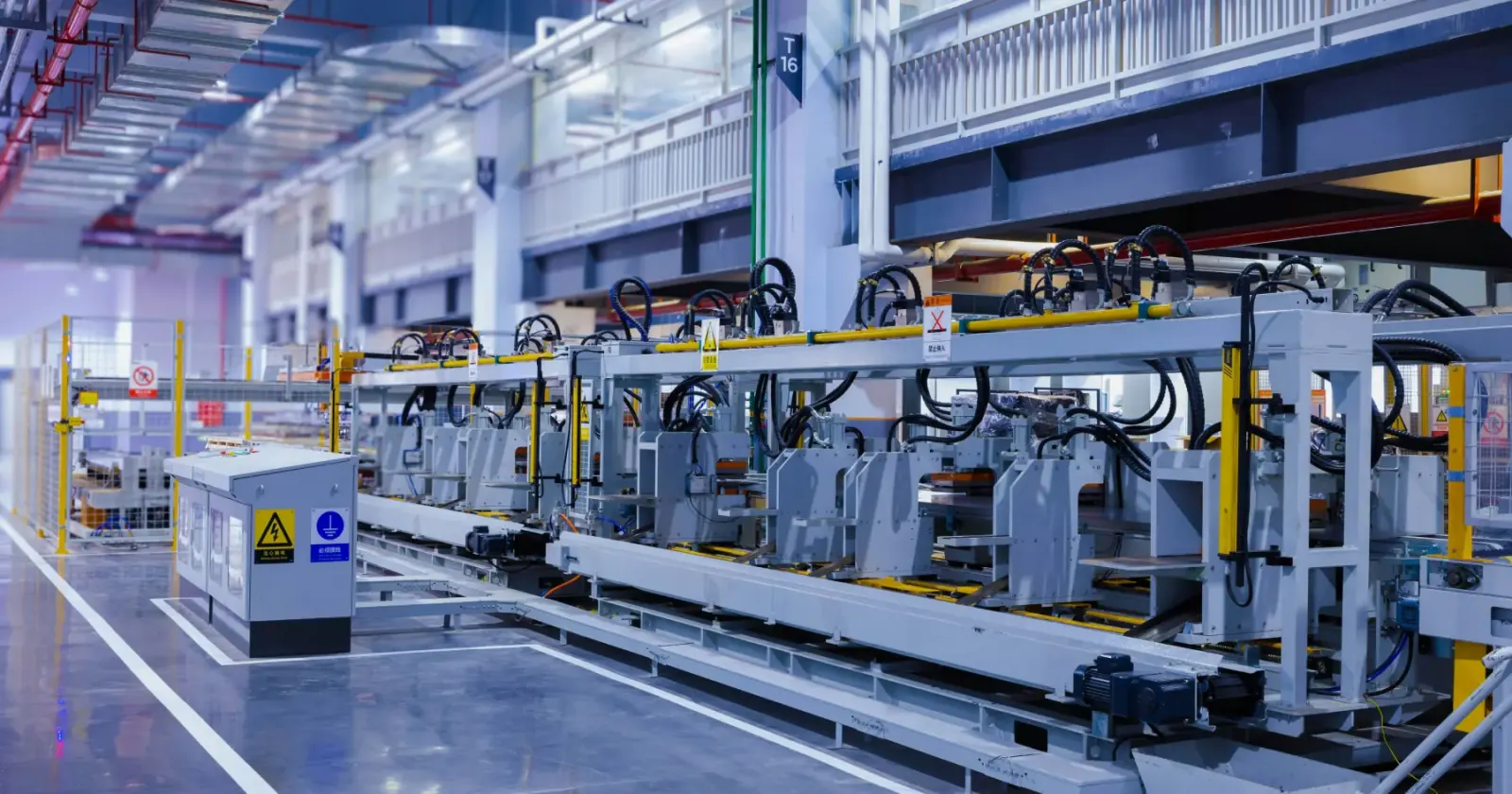
Route optimisation, bin-level data, automated sorting and emissions reporting improve margins and help operators meet customer and council reporting requirements. Data capability is increasingly part of tender evaluation.
The buyer lens
Buyers look beyond revenue and EBITDA. Contract quality, operating approvals, asset condition and environmental obligations can materially influence business valuation and the certainty of a transaction.
How reliable are the earnings?
Contract duration, renewals, customer retention and pricing mechanisms matter, alongside exposure to commodity prices and project work.
Where are the margins generated?
Route density, fleet utilisation, processing throughput and profitability by customer or service line help buyers assess sustainable performance.
What investment comes next?
Fleet and plant condition, replacement expenditure, site capacity and maintenance requirements influence cash flow and growth.
What obligations transfer with the business?
Licence conditions, compliance history, levy obligations, site tenure and potential contamination or rehabilitation costs require clear evidence.
Can the business perform beyond the founder?
Management depth, operational leadership, safety performance and the transfer of customer relationships affect buyer confidence.
Who has the strongest reason to own it?
Different buyers may value your routes, sites, treatment capability, contracts or geographic coverage differently.
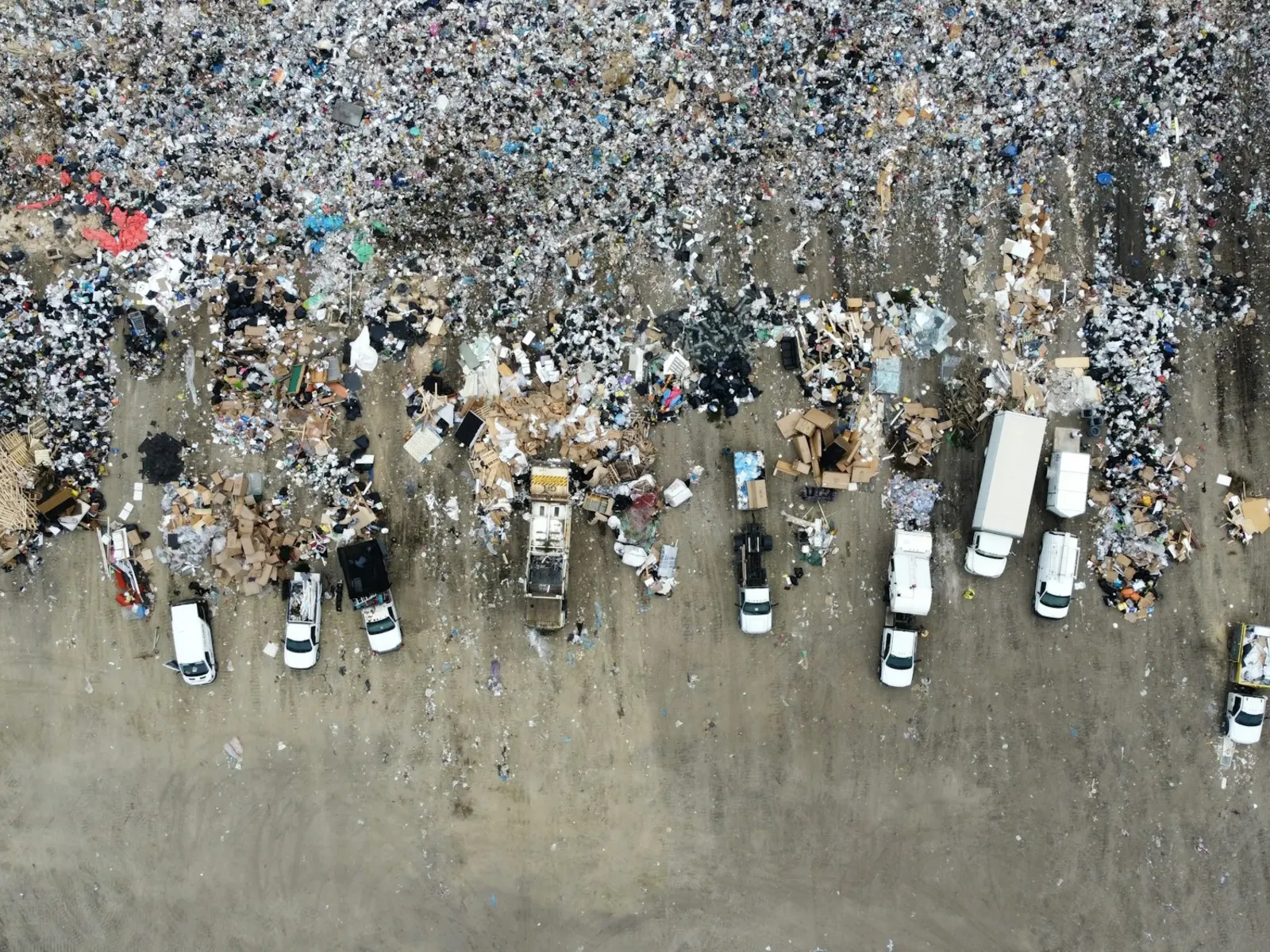
Collection, recycling and specialist environmental services businesses have distinct earnings profiles and capital requirements. Contracted collection revenue differs from commodity-linked recovery income or project-based remediation. Positioning the business well means showing buyers where earnings are durable, how assets support growth and which risks have been addressed.
Environmental liabilities and approvals deserve particular attention. Buyers will seek specific indemnities, escrow or price adjustments for contamination, rehabilitation and compliance risk, and licence transfer or change of control conditions can affect timing. Vendor due diligence and early engagement with regulators can protect both value and certainty.
Early preparation can strengthen value and reduces risks.
Understanding how prospective buyers are likely to assess your business gives you time to address potential issues and strengthen the areas that matter most before a sale process begins. Key areas to consider include:
A capital raise or partial sale can provide liquidity and fund new fleet investment, additional processing capacity or strategic acquisitions, while allowing owners to participate in future growth. Options include minority private equity investment, a majority sale with founder rollover, or a partnership with a strategic operator. G&G helps owners assess the investment case and identify suitable capital partners, with careful consideration of dilution, governance, funding commitments and future exit arrangements.
Considering a sale but not ready yet
Even if a sale is several years away, understanding how potential buyers would assess your business today can help you maximise its future value. G&G's Exit Readiness process identifies the key value drivers, dependencies and risks that buyers are likely to scrutinise, giving you time to address potential issues, strengthen your business and position it for a successful future transaction.
Preparing for a sale does not mean committing to one. It puts you in a stronger position, with greater flexibility and more options when the time is right.
You have built the business
Whether you are considering a sale now, planning succession, seeking capital or simply want to understand how buyers may view your waste and environmental services business, we are happy to start with a confidential conversation. You will work directly with experienced senior advisers who provide clear, commercially focused advice and guide you through every stage, from the initial discussion to transaction completion
What to expect
Confidential
Every conversation is treated with discretion.
Senior-led
Speak directly with an experienced G&G adviser.
No obligation
Start with a conversation, not a commitment.